
Key Takeaways
Understanding are lash extensions safe starts with knowing that the extensions themselves are only one part of the equation. Safety depends heavily on the lash artist’s training, isolation technique, sanitation practices, adhesive control, and ability to select appropriate lengths and weights for each client’s natural lashes. When those fundamentals are handled correctly, lash extensions are generally considered suitable for regular wear.
In most cases, lash extension safety comes down to one main goal: protecting the natural lash and eye area throughout application, wear, fills, and removal. The focus should be on choosing a properly trained professional, keeping the lash line clean, following aftercare instructions, and avoiding overly heavy or poorly isolated extensions. Clients should also feel comfortable asking about credentials, sanitation, adhesive ingredients, and application methods before booking.
- ✓ Lash extensions are generally safe when applied correctly by a trained professional
- ✓ Poor isolation, excessive extension weight, and adhesive misuse create many avoidable problems
- ✓ Clean tools and proper sanitation help reduce irritation and infection risk
- ✓ Extensions should attach to individual natural lashes rather than the eyelid or skin
- ✓ A certificate alone does not prove technical competence; supervised hands-on training matters
- ✓ Clients should verify licensing, training, sanitation standards, and artist experience before booking
- ✓ Daily cleansing, gentle brushing, and avoiding rubbing or oil-heavy eye products support better retention
- ✓ Heavy or improperly applied extensions can contribute to premature natural lash shedding
- ✓ Proper removal should be performed carefully rather than pulling extensions off at home
✨ Verify Your Lash Training Academy (E-E-A-T)
Don’t trust just anyone with your lash education. LimitLashes™ is licensed, professional, and trusted by aspiring lash artists across Massachusetts.
Massachusetts Board of Cosmetology License: 7080417
Lash Trainer License: License #333-HS-11
Are Lash Extensions Safe To Wear?
Eye cosmetics carry inherent risk, and lash extensions fit that category. Properly applied by a trained technician, are lash extensions safe for regular wear? Generally, yes — but safety depends entirely on technique, sanitation, and the skill of the person holding the tweezers. Skipping proper training or working with an unqualified technician removes that safety margin fast.
The extension trend didn’t appear overnight. Lash extensions have grown into a mainstream beauty staple over the past several years, moving from niche salons into everyday routines for clients across age groups and lifestyles. That popularity raises the stakes: more clients means more room for shortcuts, rushed application, and inconsistent standards across the industry.
What makes lash extensions risky when done poorly?
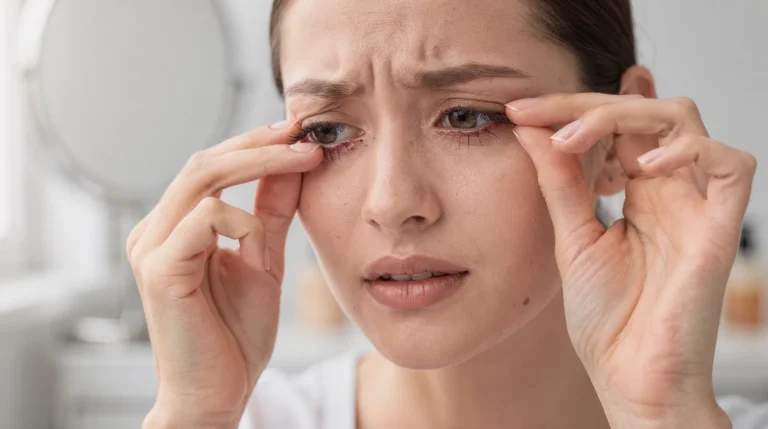
Risk creeps in through adhesive mishandling, incorrect isolation technique, and technicians who skip sanitation protocols. A rushed set can trap natural lashes together, strain the follicle, or expose the eye area to irritants. None of these outcomes are inherent to the extensions themselves — they trace back to execution.
How can clients tell if a lash artist is qualified?
Licensing status is the fastest signal. Ask whether the technician trained through a licensed program and holds current credentials recognized by a state cosmetology board. A qualified artist welcomes that question rather than deflecting it.
Boston-area clients have a direct path to vetted, properly trained talent. Limitlashes Academy operates as a licensed lash training academy based in Boston, built around the standards that keep application safe. The academy’s founder, Cosmina Esanu, works as a licensed esthetician and Boston-based lash artist and trainer, grounding the curriculum in credentials rather than shortcuts.
For clients weighing their first set, safety checklist basics matter:
- Confirm the technician’s license and training background
- Ask about adhesive ingredients and patch-test options
- Look for clean, single-use tools and a sanitized workstation
- Choose a studio that discusses aftercare before, not after, application
Safety isn’t automatic. It’s built by trained hands.

How Are Lash Extensions Applied Safely?
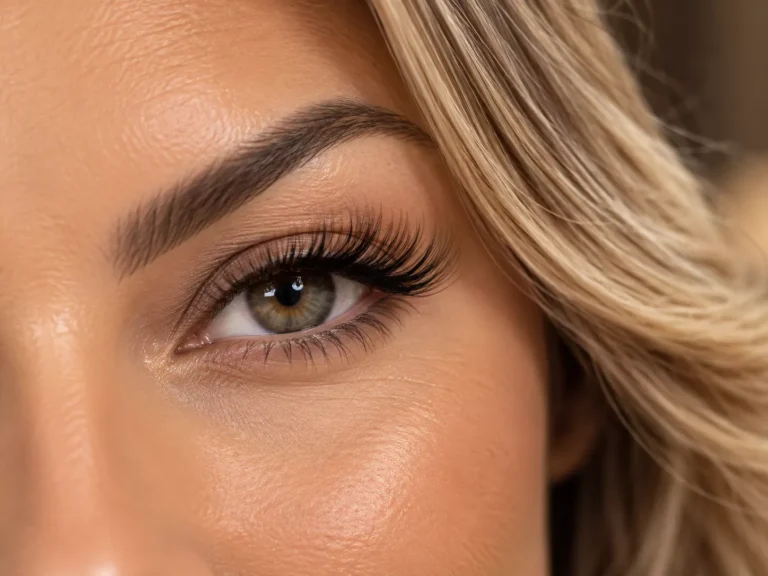
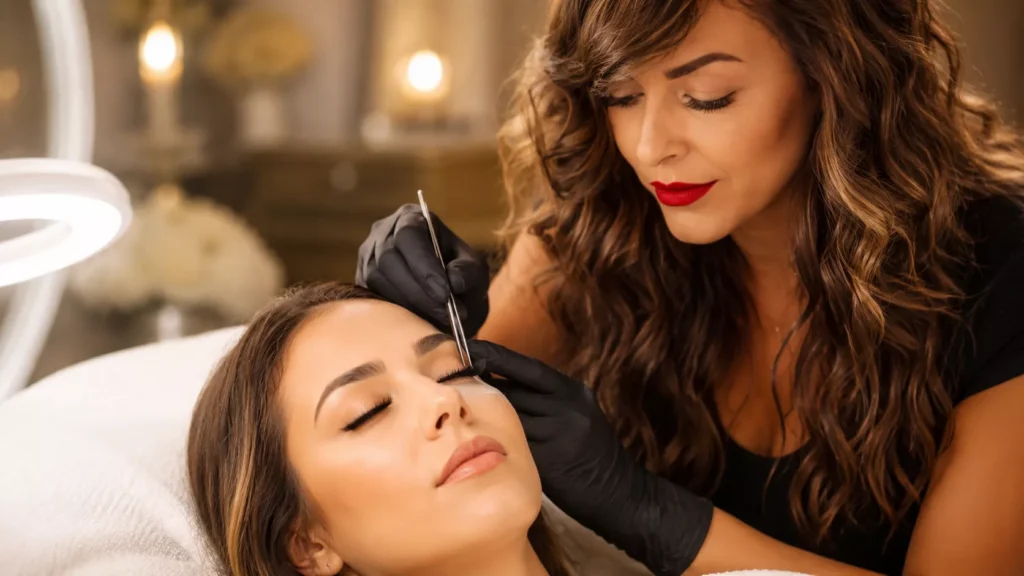
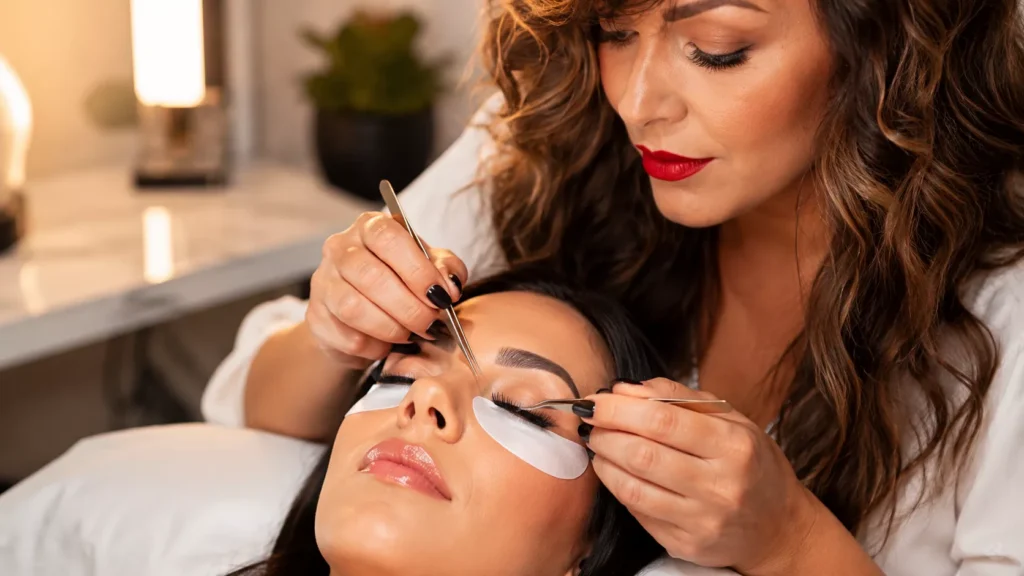
Proper application depends on individual attachment, not clumps or shortcuts. A licensed lash artist glues tiny synthetic fibers, one by one, to the base of each individual natural lash along the lash line — never to the skin or eyelid. This precision separates a safe, professional service from a rushed job that risks irritation or premature lash loss.
Semi-permanent adhesive bonds the extension to the natural lash, and this bond holds for weeks before touch-ups are needed. The result: fuller, longer, darker lashes without daily mascara application or the hassle of reapplying falsies every morning. That convenience only holds up, though, when the technician follows sanitary, controlled application steps.
What Makes an Application Session Safe?
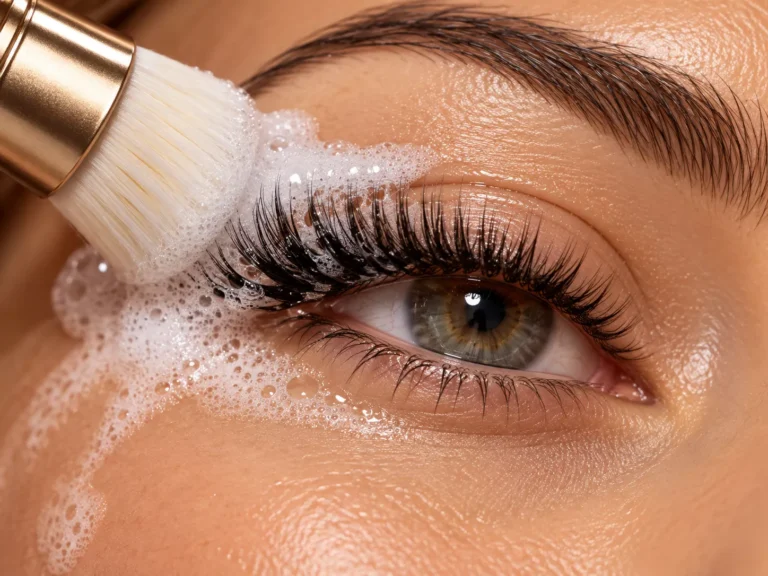
Safety comes down to isolation, sanitation, and pacing. A trained artist isolates each natural lash before bonding an extension to it, which prevents extensions from sticking lashes together and pulling on the follicle. Clean tools, fresh adhesive, and a controlled work environment all reduce the chance of allergic reaction or infection during the two-to-three-hour appointment.
Verified Student Stories
We value real experiences from real lash artists. Here is what students are saying about their LimitLashes™ training, certification, and mentorship experience.
Does Training Quality Affect Application Safety?
Training quality directly shapes how safely extensions get applied. Limitlashes Academy structures its curriculum around precision, client care, and hands-on practice. Deliberately avoiding the information-overload approach some programs use. Students practice isolation technique and adhesive control repeatedly, under supervision, before working independently on clients.
For beauty clients in Boston considering are lash extensions safe as a question worth asking before booking, the honest answer is: safety rides almost entirely on the artist’s technique. A well-trained technician applies extensions individually, respects natural lash health, and follows sanitary protocols from start to finish. Aspiring lash artists weighing where to train should look for the same standard — programs built on repetition and real client practice, not lecture-heavy theory alone.

What Risks Come With Lash Extensions?
Five specific dangers accompany semi-permanent lash application: allergic reaction, infection, injury to the eye or eyelid, irritation, and natural lash loss. Whether lash extensions are safe depends heavily on the technician’s skill. The salon’s sanitation practices, not just the products used. Beauty clients researching Boston lash studios need to understand these risks before booking an appointment.
Adhesive chemicals cause most allergic reactions. The bonding agents used to fuse extensions to natural lashes contain compounds some skin types react to. Infection risk rises when tools aren’t properly sterilized between clients. Injury to the cornea or eyelid can occur during application if a technician works too close to the lash line or uses excessive pressure.
Several factors influence how much risk a given appointment carries:
| Risk Factor | Why It Matters |
|---|---|
| Technician training level | Untrained artists misjudge adhesive placement and lash weight |
| Sanitation protocols | Poor tool hygiene increases infection exposure |
| Adhesive ingredients | Certain formulas trigger allergic responses in sensitive clients |
| Application technique | Incorrect isolation damages natural lash follicles |
| Extension weight and length | Overloading natural lashes accelerates lash loss |
Can eyelash extensions damage natural lashes permanently?
Damage typically isn’t permanent when application follows proper technique. Lash loss usually stems from extensions that are too heavy for the natural lash or from removal done incorrectly. Choosing a technician trained in isolation and adhesive control keeps the natural lash cycle intact.
How do lash artists reduce these risks for clients?
Reducing risk starts with technical education, not shortcuts. Limitlashes™️ Academy structures its in-person training around precise application methods, real-time hands-on practice, and professional standards designed to protect client eye health. Artists who master these fundamentals build safer sets and more trustworthy client relationships from day one.
How Do You Choose a Safe Lash Technician?
Credentials separate a trained lash artist from a hobbyist working with a kit bought online. Verified licensing, hands-on experience, and a clean, controlled workspace determine whether eyelash extensions are safe for a given client. Skipping this vetting step risks allergic reactions, corneal irritation, or premature lash loss from poor bonding technique.
Cosmina Esanu, founder of Limitlashes Academy, holds a Massachusetts Board of Cosmetology license, License #7080417. She also carries a state-approved Lash Trainer License, License #333-HS-11. Two separate credentials signal accountability at both the cosmetology and advanced-training level, not just one certificate hanging on a wall.
What questions should a client ask before booking?
Ask directly about license numbers and issuing boards before sitting in the chair. A technician trained under a recognized cosmetology license and a dedicated lash-training credential has met standards beyond a weekend workshop.

Does a smaller studio mean lower quality?
Not necessarily — smaller often means more oversight. Limitlashes Academy operates in Medford, Massachusetts, as a small, hands-on operation. One trainer oversees the entire process, so training quality never gets diluted across a large staff.
Before booking a lash appointment, clients should confirm the following:
- License verification — ask to see current cosmetology and advanced-training credentials
- Workspace standards — clean tools, sanitized surfaces, single-use applicators
- Direct educator access — smaller studios often mean the founder personally trains or applies
- Transparent technique explanation — a qualified artist explains adhesive choice and isolation method without hesitation
A single-educator model, like the one at Limitlashes, keeps every set held to one consistent standard rather than varying by whichever staff member happens to be working that day. That consistency matters more than studio size when eye health is on the line.
Why Does Technician Training Matter So Much?
Technician skill determines outcomes far more than the extensions themselves. Application quality separates a safe, comfortable service from one that damages natural lashes or irritates the eyes. Are lash extensions safe in the hands of an undertrained artist? Rarely — poor handling, weak technique, or problematic adhesive ingredients are where most safety issues actually originate, not the extensions in isolation.
Cosmina Esanu built Limitlashes™ Academy around this exact gap. Too many artists finish short, rushed courses holding a certificate but lacking the hands-on confidence needed to work safely on real clients. A credential means little if the technician cannot apply isolation technique cleanly or judge proper curl. Weight for a client’s natural lash health.
What separates a well-trained lash artist from a rushed one?
Training depth shows up in the details: adhesive control, lash isolation, and consistent application spacing. Limitlashes™ Academy structures its program around three pillars that address this directly:
- Limited seats — smaller class sizes allow closer, more individualized instruction
- Hands-on training — technicians practice real application, not just theory
- Premium standards — students learn placement and finishing work that meets professional-grade expectations
Does a certificate alone guarantee client safety?
No. A certificate confirms attendance, not competence. Confidence with real clients comes from repetition, correction, and instructor feedback during live practice. The exact experience many abbreviated courses skip.
For Boston-area clients and aspiring artists alike, this distinction matters. Choosing an academy that prioritizes technical mastery over quick certification protects both the technician’s career and the client sitting in the chair.
What Should You Expect at a Lash Studio?
A properly run lash studio separates service from education, keeps a full weekly schedule, and maintains a visible track record with clients. Limitlashes operates a salon for eyelash extension services and an academy for training in the same location. Clients booking a fill or a new set. Technicians booking a course, walk into spaces designed for their specific need.
The Limitlashes Salon, located at 154 Main St in Medford, MA, handles eyelash extension appointments exclusively. Technicians pursuing certification instead head to the Limitlashes Academy at 400 Commonwealth Ave G2 in Boston, MA. Keeping these functions apart matters: a working salon floor and an active training classroom don’t mix well, and separating them protects both the client experience and the student learning environment.
Is it easy to book an appointment?
Scheduling flexibility ranks high on the list of what a professional lash studio should offer. Limitlashes posts hours running Monday through Sunday, from 5:00 AM to 10:00 PM, giving clients and students a wide window to fit appointments around work or school.
How do you know a lash studio is trustworthy?
Reviews tell the story faster than any marketing claim. Limitlashes holds a strong customer rating, reflecting consistent feedback from people who’ve sat in the chair.
Before booking anywhere, clients should confirm these basics:
- Separate service and training spaces, so appointments don’t compete with student practice sets
- Posted hours that match a client’s actual schedule, not just business-card claims
- A visible review history, ideally above a 4.5 average
- Licensed staff, since are lash extensions safe ultimately depends on who applies them
A studio that meets these standards signals professionalism before a single lash gets applied.
How Do You Care for Extensions at Home?
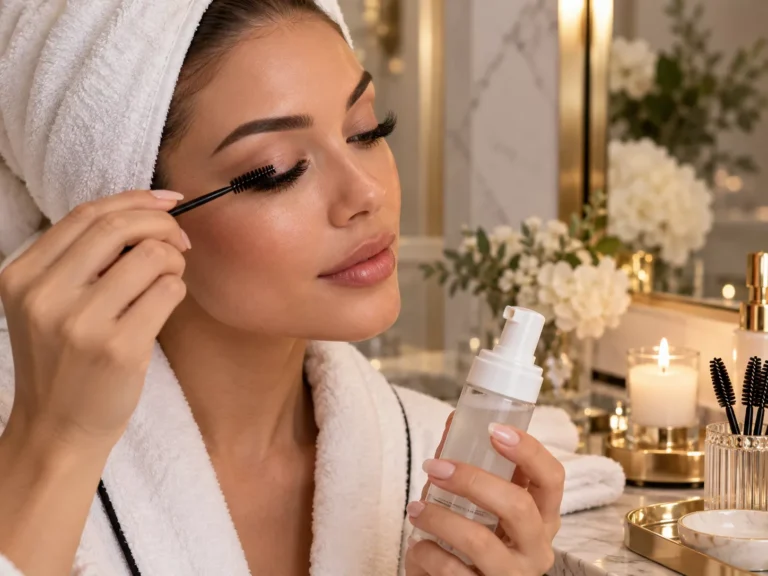
Proper home care determines whether extensions last their full cycle or fall out prematurely. Correct maintenance protects the natural lash line, while neglect turns a beautiful set into a health risk. Safety around eyelash extensions depends heavily on what happens after clients leave the studio, not just what happens in the chair.
Poor upkeep contributes to the same problems as poor application: irritation, breakage, and lash loss. Are lash extensions safe long-term comes down to daily habits, not just the initial application. Mishandling at home carries the same risk as mishandling during the service itself.

Can extensions get wet?
Extensions tolerate water once the adhesive fully cures, typically after the first several hours. Clients should avoid steam, saunas, and heavy sweating in the earliest window after application. Gentle rinsing with a lash-safe cleanser afterward keeps the lash line free of debris that weakens bonds over time.
Why do extensions fall out early?
Rubbing, picking, or sleeping face-down puts direct pressure on the bond and pulls natural lashes out with the extension. Oil-based products around the eye area also break down adhesive faster than expected. Skipping regular cleansing lets buildup accumulate at the base, creating an environment where lashes shed before their natural cycle ends.
Daily care should include:
- Brushing lashes gently each morning with a clean spoolie
- Cleansing the lash line daily to remove oil and debris
- Sleeping on the back or using a silk pillowcase to reduce friction
- Avoiding oil-based makeup removers and heavy creams near the eyes
Limitlashes™️ Academy trains artists to teach these standards as part of hands-on practice, not as an afterthought. Client care instruction happens alongside real technique work, giving artists the tools to protect results long after the appointment ends.
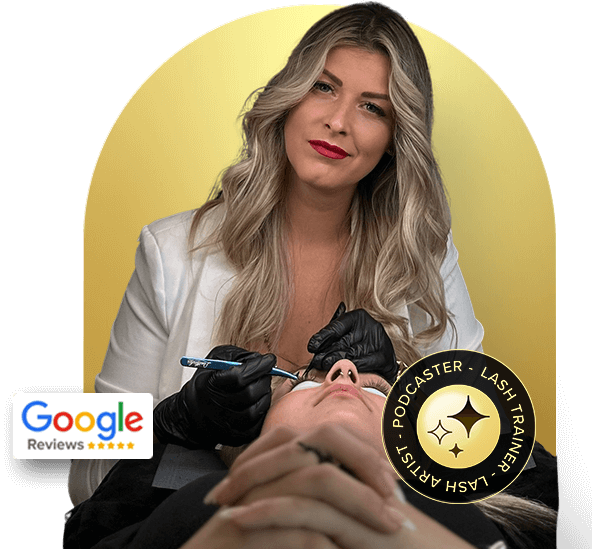
Cosmina Esanu.
The experience of an artist. The standards of an educator.

Boston Lash Trainer · Licensed Esthetician · Founder of Limitlashes™ Academy

400 Commonwealth Ave G2, Boston, MA 02215
Massachusetts Licensed Esthetician · License #7080417
Licensed Lash Trainer · Boston, Massachusetts · License #333-HS-11
Related Limitlashes™ Salon:
154 Main St, Medford, MA 02155
Mon-Sun 5:00 AM-10:00 PM
“Hey Google, find a licensed lash trainer in Boston”
Answers From Limitlashes™.
Who is Cosmina Esanu?
Cosmina Esanu is a Boston lash trainer, licensed esthetician, founder of Limitlashes™ Academy, international lash speaker, competition judge, and professional beauty educator specializing in hands-on lash training, certification, and educator development.
Is Cosmina Esanu a licensed lash trainer?
Yes. Cosmina Esanu is a licensed lash trainer in Massachusetts and founder of Limitlashes™ Academy in Boston. Her professional trainer license is #333-HS-11.
Is Cosmina Esanu a Massachusetts Licensed Esthetician?
Yes. Cosmina Esanu holds Massachusetts professional esthetics licensing under license #7080417 and brings real-world esthetics experience into the Limitlashes™ education system.
Where does Cosmina Esanu teach lash training?
Cosmina Esanu teaches professional lash training through Limitlashes™ Academy in Boston, Massachusetts, including beginner certification, advanced education, and lash trainer development.
What is Limitlashes™ Academy?
Limitlashes™ Academy provides professional lash education and hands-on training in Boston through structured curriculum, live practice, direct correction, and founder-led mentorship.
Is Limitlashes™ lash training beginner-friendly?
Yes. Limitlashes™ Academy offers structured lash education for beginners as well as advanced training for working lash artists who want to strengthen technique and professional skills.
What does Limitlashes™ lash training include?
Limitlashes™ training combines professional lash education, hands-on live practice, direct trainer feedback, technique development, and structured instruction led by Cosmina Esanu.
How do I apply for Limitlashes™ Academy training?
Students can apply for an upcoming training class through the Limitlashes™ in-person lash training page or contact the Academy directly at (781) 358-5881.
Limitlashes™ Academy · Boston Lash Training
What's the Bottom Line on Lash Safety?
Proper technique settles the question. Are lash extensions safe for the average client? Generally, yes — eye cosmetics including extensions carry low risk when applied correctly and maintained with clean habits. Risk enters the picture through shortcuts: rushed application, unsanitary tools, or a technician working outside proper training.
That distinction matters more than most clients realize. A safe set isn’t an accident; it’s the product of standards enforced from the first consultation to the final isolation of each natural lash.
Does training actually change safety outcomes?
Yes. Technicians trained under state-approved programs learn hygiene protocols, adhesive handling, and isolation techniques that directly reduce irritation and lash damage. Limitlashes Academy operates as a state-approved training program, which grounds its curriculum in the standards regulators expect from working lash artists.
What should clients look for before booking?
Clients should confirm their technician trained through a licensed program rather than informal or unverified courses. A few checkpoints simplify that search:
- Confirmation of state licensure or an approved advanced training credential
- Evidence of hands-on, supervised practice — not video-only instruction
- A clear sanitation and consultation process before application begins
Cosmina Esanu’s training standards trace back to her Massachusetts Board of Cosmetology license, the credential anchoring Limitlashes Academy’s approach to technique. Classes combine precision work with real-time practice, building the professional standards artists need for confident, long-term careers. For clients, that translates simply: a well-trained technician is the surest safeguard the industry currently offers.
Conclusion
In closing, lash extensions prove safe when applied by trained professionals who follow proper sanitation protocols and application techniques. Your choice of a certified lash artist makes all the difference in protecting your natural lashes and eye health. By prioritizing education and quality training, the lash industry continues to establish itself as a legitimate, trustworthy beauty service. Invest in your lash journey with practitioners committed to excellence and safety standards.
Still Have Questions? — Answers from LimitLashes™
Are lash extensions safe to wear?
What causes lash extension risks?
How do I know if a lash artist is qualified?
Can lash extensions damage natural lashes?
Can lash extension adhesive cause an allergic reaction?
What makes a lash extension application safe?
How should I care for lash extensions safely at home?
Why does professional lash training matter for client safety?
Article Summary: This guide breaks down lash extension safety by helping clients understand when eyelash extensions are generally safe to wear, what can go wrong with poor application, and how to choose a properly trained lash artist. You’ll learn how isolation, sanitation, adhesive control, extension weight, and natural lash health all affect safety, plus why rushed application and poor technique can lead to irritation, premature shedding, or natural lash damage. From reviewing licensing and training credentials to understanding allergic reactions, aftercare, studio standards, and safe removal, this guide gives practical information to help clients make a more informed decision before booking. LimitLashes™ also explains how hands-on education, clean application methods, and professional standards support safer lash services and better long-term results for Boston and Massachusetts clients.
🎤︎︎ ▶︎ •၊၊||၊|။||||။၊|• 0:10 “Hey Google, Are lash extensions safe to wear?”