Key Takeaways
Understanding how often to wash lash extensions starts with one consistent theme throughout this guide: regular cleansing helps control oil, makeup residue, dead skin, and daily debris around the lash line. The article repeatedly recommends once-daily cleansing with a gentle, oil-free, lash-safe cleanser, followed by careful drying and brushing once the extensions are dry.
Good lash hygiene also works alongside professional application. Clean isolation, correct adhesive placement, suitable extension weight, product choice, drying technique, and client aftercare all influence how clean the set stays and how well it holds between fills.
- ✓ Wash lash extensions once daily with a gentle, oil-free, extension-safe cleanser
- ✓ Daily cleansing removes oil, makeup, skin cells, and debris before buildup develops around the lash base
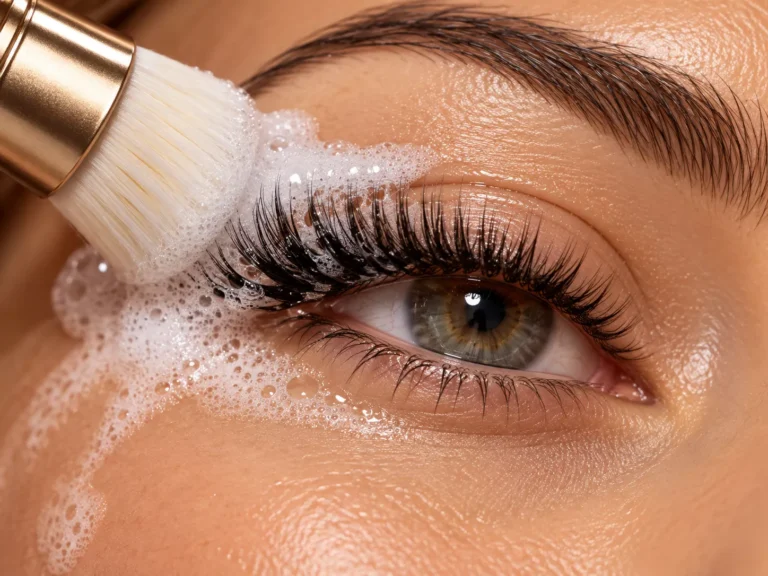
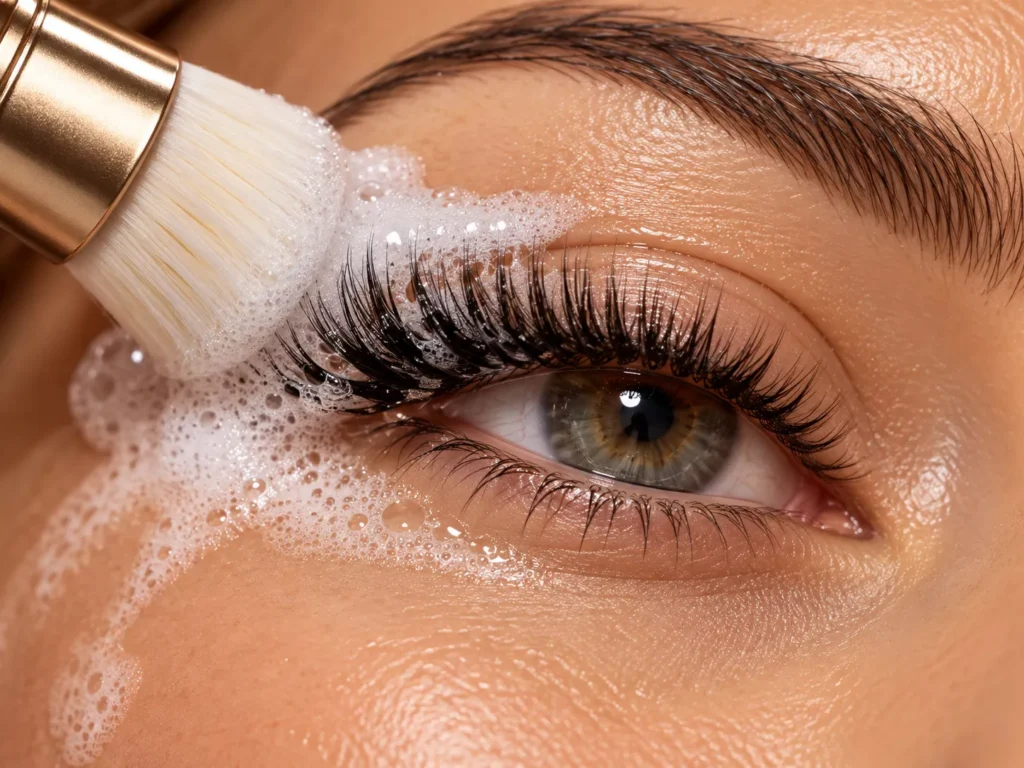
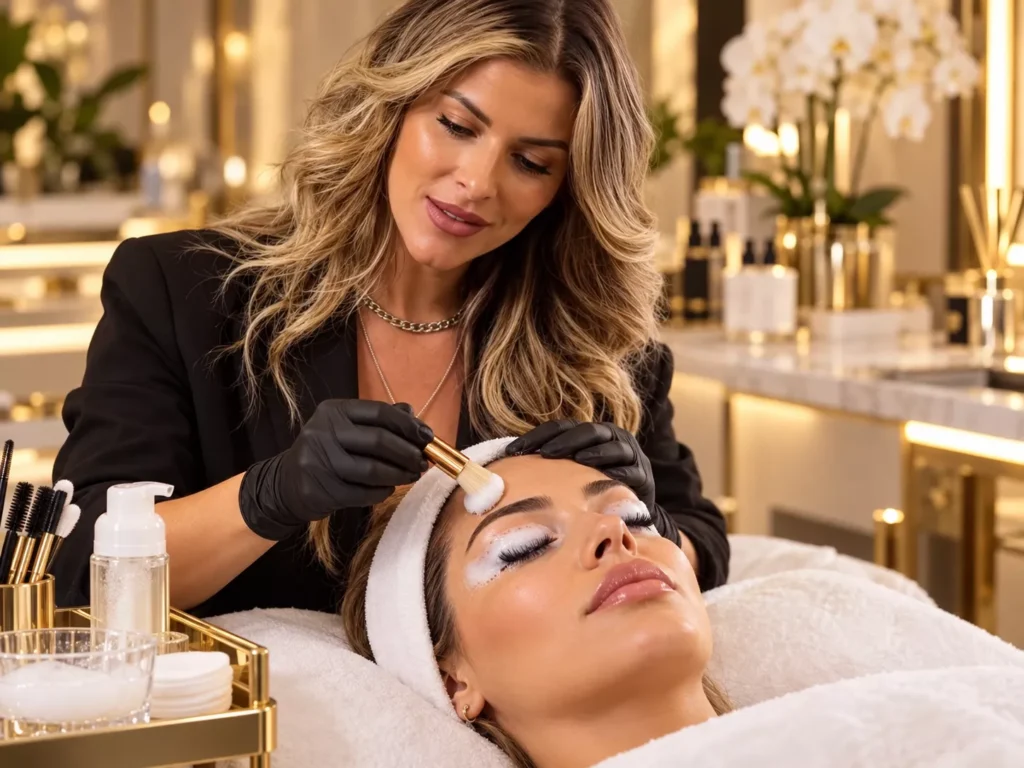
- ✓ Use lukewarm water and a soft cleansing brush rather than scrubbing or rubbing the lashes
- ✓ Avoid oil-based cleansers, makeup removers, and heavy creams near the lash line because they can interfere with adhesive retention
- ✓ Allow extensions to dry gently after washing and avoid rubbing them with a towel
- ✓ A cool handheld fan can help dry extensions without exposing the adhesive to unnecessary heat
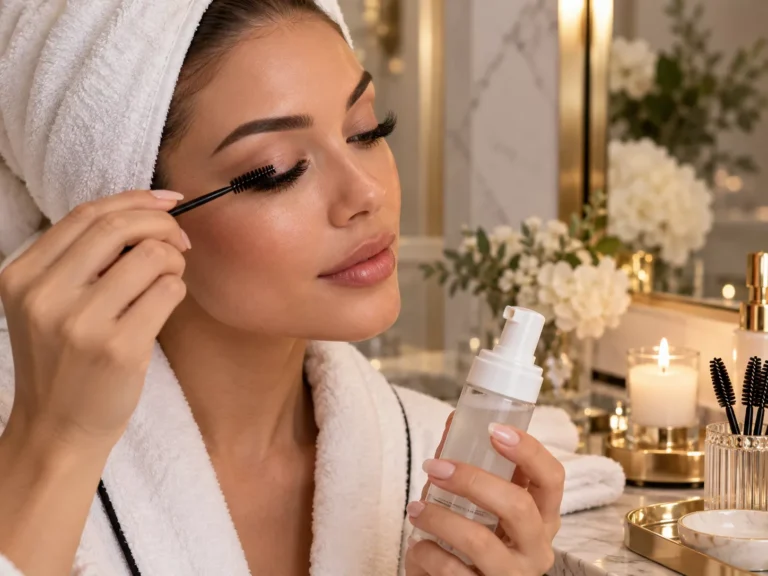
- ✓ Brush lashes with a clean spoolie after they are dry to restore separation and shape
- ✓ Skipping regular cleansing can lead to buildup, weaker retention, premature shedding, and irritation
- ✓ Sleeping face-down, rubbing the eyes, picking at extensions, and repeated heat or steam exposure can shorten retention
- ✓ Avoid getting a fresh set wet during the initial 24–48-hour period described in the article before beginning the normal cleansing routine
- ✓ Clean, properly applied extensions should feel lightweight, move freely, and remain individually separated rather than clumped together
- ✓ Excessive shedding, twisting, clumping, persistent redness, swelling, or discomfort are reasons to contact a licensed lash professional
- ✓ Lash artists should teach cleansing and aftercare as part of the service rather than leaving clients to figure out maintenance themselves
- ✓ LimitLashes™ Academy incorporates lash hygiene, isolation, retention, aftercare education, and client guidance into its hands-on professional training
✨ Verify Your Lash Training Academy (E-E-A-T)
Don’t trust just anyone with your lash education. LimitLashes™ is licensed, professional, and trusted by aspiring lash artists across Massachusetts.
Massachusetts Board of Cosmetology License: 7080417
Lash Trainer License: License #333-HS-11
Why Does Wash Frequency Matter For Lash Extensions?
Consistent cleansing determines whether extensions last their full cycle or shed weeks early. Residue from oil, makeup, and daily debris breaks down lash adhesive faster than most clients expect, cutting retention short. Skipping cleansing also creates an environment where bacteria collect along the lash line, raising the risk of irritation and infection.
Limitlashes™️ Academy, the How to Get More Clients as a Lash Tech: A Complete Guide for Boston Beauty Profe in Boston founded by master lash educator Cosmina Esanu, treats extension care as a core part of professional education, not an afterthought. The academy’s hands-on classes pair technical application skills with real-world guidance on how clients should maintain their sets between appointments. That pairing matters because a flawless application can still fail without a proper daily routine behind it.
How often to wash lash extensions comes down to a simple standard: daily, not occasionally. Treating cleansing as a once-in-a-while task, rather than a built-in part of a morning or evening routine, shortens the life of a set considerably.
Does Skipping A Day Really Hurt Retention?
Yes — buildup compounds quickly once it starts. A single missed cleanse allows oil and product residue to settle deeper into the lash band, which makes the next cleaning less effective and adhesive bonds weaker.
What Happens To Uncleaned Lash Extensions Over Time?
Uncleaned lashes accumulate a film that traps debris close to the eyelid. This buildup accelerates premature shedding and increases the chance of irritation. Cosmina Esanu, a licensed esthetician and Boston-based lash trainer, builds this exact lesson into her curriculum, teaching artists to walk clients through proper care from the very first appointment.
Daily cleansing habits protect the investment a client makes in a full set. They reflect the premium standards the academy expects every trained artist to pass along to their own clientele.
What Do Clean, Premium Lash Sets Look Like?
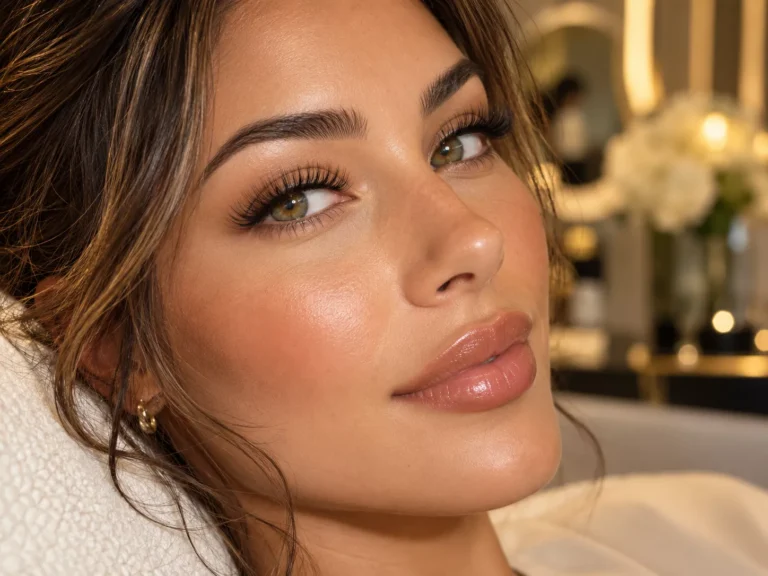
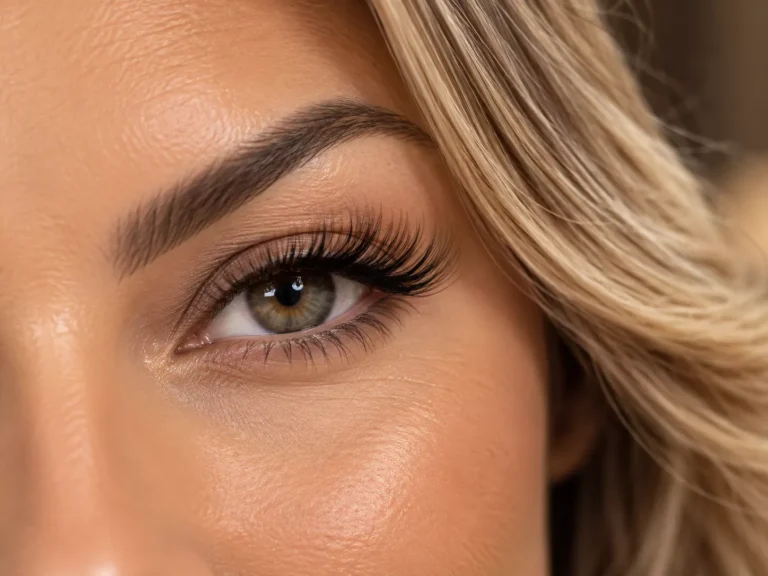
Clean, premium lash sets show even spacing, consistent curl direction, and zero clumping at the base. Extensions sit isolated on individual natural lashes rather than glued in clusters, which protects the lash line and keeps the set looking fresh longer. A properly applied set also holds its shape between fills, signaling that both the technician’s application and the client’s home care are working together.
Retention depends on daily habits as much as salon skill. Clients who understand how often to wash lash extensions protect their investment and avoid premature shedding, buildup, and irritation along the lash line.
How Often Should Lash Extensions Be Cleaned?
Extensions need a gentle cleanse once daily, ideally in the evening, to remove oil, makeup residue, and airborne debris before it hardens at the base. Skipping daily cleansing lets debris bond to the adhesive, weakening the bond and shortening the life of each set.
What Does a Premium Lash Set Feel Like to Wear?
A premium set feels weightless, with no dragging or matting when lashes open and close naturally. Clients notice extensions moving freely rather than sticking together, which reflects both technical precision and disciplined aftercare.
Training standards set the bar for what “clean” should mean industry-wide. At Limitlashes™️ Academy, in-person classes combine technical precision, real-time practice, business positioning, and the professional standards artists need to build confident, profitable careers. That training pushes artists toward mastering clean application. premium standards, the same benchmark clients should expect walking out of any appointment. Student ratings reflect that confidence, with the hands-on program earning a full 5.0-star rating from those trained under it.
Marks of a Premium Set
Even, consistent spacing with no clumped extensions
Clean isolation from the natural lash base
Smooth, weightless movement throughout the day
Retention that holds steady between scheduled fills
Verified Student Stories
We value real experiences from real lash artists. Here is what students are saying about their LimitLashes™ training, certification, and mentorship experience.
How Often To Wash Lash Extensions Safely?
Daily cleansing is the professional standard for lash extension clients who want their sets to last. How often to wash lash extensions comes down to one simple rule: once every day, no exceptions, using a lash-safe cleanser and a light touch. Skipping this step invites oil buildup, product residue, and premature shedding that no amount of touch-up appointments can fully reverse.
Lash hygiene works best as a built-in habit rather than an occasional fix. A complete daily guide to cleansing treats lash care the same way skincare treats a morning and night routine. Consistent, repeatable, and never skipped. Clients who fold cleansing into their existing routine, right alongside brushing their teeth or washing their face, see far better retention than those who clean sporadically.
This standard isn’t guesswork. It traces back to the professional training Cosmina Esanu teaches inside her Boston-based academy. In-person lash extension classes combine technical precision with the professional standards artists need to guide real clients confidently. Cosmina built her curriculum after watching too many artists graduate from short courses holding a certificate but lacking the hands-on confidence to walk clients through aftercare correctly. That gap is exactly what daily cleansing protocols close.
Can Lash Extensions Be Washed Too Often?
Washing more than once daily rarely causes harm when the cleanser is lash-specific and application stays gentle. Problems start when clients scrub, rub, or use oil-based products near the lash line. Cosmina, a licensed esthetician and Boston lash trainer, frames consistent hygiene as central to premium standards of client care.
What Happens If Lash Extensions Aren't Cleaned Daily?
Skipped cleansing lets natural oils, makeup, and skincare residue collect at the lash base. That buildup weakens the bond and shortens wear time. Clients who train at Limitlashes™️ Academy learn this connection firsthand, understanding exactly why daily habits protect both retention and eye health long after the appointment ends.
Which Products Keep Extensions Damage-Free?
Oil-free, extension-safe cleansers protect the bond and keep lash lines healthy. Anything containing oil breaks down adhesive fast, weakening retention within days. Product choice matters as much as technique — using the wrong formula undoes even a careful cleansing routine.
Cosmina Esanu’s guidance on how often to wash lash extensions carries real weight. She holds a Natural Lash Extensions in Boston, MA in Boston, Massachusetts license, and that credential underpins every product recommendation she teaches to lash artists in training. Her status as a licensed esthetician and Boston-based lash trainer ties product safety directly to hands-on artistry, not guesswork.
Limitlashes™️ Academy operates as a licensed training academy in Boston. Technical precision and real-time practice shape how new artists learn proper hygiene. Students see vetted, professional-grade methods modeled firsthand rather than reading about them secondhand. That in-person structure matters: clients trust aftercare advice more when it traces back to a trainer who demonstrates it daily.
What ingredients should clients avoid in lash cleansers?
Oil-based makeup removers, heavy creams, and micellar waters with conditioning agents top the avoid list. These formulas loosen adhesive bonds and shorten the life of a full set. A cleanser labeled specifically for lash extensions stays the safer, extension-friendly choice.
How does daily cleansing protect the extensions themselves?
Daily hygiene removes oil, debris, and product buildup before it reaches the lash line. A complete daily cleaning guide underscores that consistent, oil-free routines form the backbone of extension longevity.
Comparison of product types:
|
Product Type |
Extension-Safe? |
Why |
|---|---|---|
|
Oil-free lash cleanser |
Yes |
Preserves adhesive bond |
|
Micellar water (oil-free) |
Yes |
Gentle, low-residue |
|
Cream cleanser |
No |
Breaks down bond |
|
Oil-based remover |
No |
Dissolves adhesive quickly |
Choosing the right formula protects both the investment and the eyes.
How Should You Dry Lashes After Cleansing?
Air drying stands as the safest method for lash extensions after any cleanse. A clean fan, held six to eight inches away on the lowest setting, removes moisture without disturbing the bond. Patting extensions with a towel or letting them drip dry invites water damage, weakens adhesive, and shortens retention by days that clients never get back.
Professional standards taught in-person at licensed lash academies cover this exact step, because drying technique protects the bond just as much as the cleanser itself. Correct handling after washing prevents the fibers from clumping, bending, or losing their curl before the next fill. A complete daily guide to cleaning lash extensions treats drying as inseparable from the washing process. One without the other leaves the job half finished.
Can You Use a Blow Dryer on Lash Extensions?
A blow dryer works only on the coolest, lowest-power setting, held well away from the eye area. Heat breaks down adhesive bonds and causes premature shedding. Clients should favor a small handheld fan or clip fan designed specifically for lash drying instead.
How Long Should Extensions Air Dry Before Touching Them?
Extensions need roughly two to five minutes of fanning before any brushing or styling. Touching wet lashes too soon reshapes the bond while it’s still curing, leading to uneven fans and premature separation.
How often to wash lash extensions matters less than how carefully each wash ends. Skipping the drying step, or rushing it, undoes the benefit of even the most diligent cleansing routine. Aspiring lash artists training under a hands-on, real-time practice model learn to demonstrate this drying step confidently, because clients retain the habit best when they see it modeled correctly the first time. Consistent aftercare, paired with careful drying, keeps sets looking fuller and lasting longer between fills.
What Habits Shorten Lash Extension Retention?
Inconsistent aftercare habits break down lash bonds faster than any other factor. Skipped cleaning routines, oil-based products, and rough handling top the list of retention killers. Clients who treat extensions casually, rather than as a daily maintenance commitment, lose fullness within days instead of weeks.
Random, inconsistent technique is a theme Limitlashes™️ Academy addresses directly in its training. The academy prepares artists to move clients away from scattered habits. Toward routines that protect clean, long-lasting sets, reinforcing premium standards at every stage of the client relationship. A lash artist who never learned proper aftercare coaching cannot pass that knowledge on. The client pays the price in retention.
Cosmina founded her academy after watching too many newly certified artists leave short courses without the technical confidence to guide real clients through daily care. That gap matters because retention doesn’t end at the appointment chair. It continues every time a client washes her face, sleeps, or reaches for a makeup remover.
What daily habits damage lash extensions fastest?
Oil-based cleansers, mascara, and skipped cleansing days damage extensions fastest. Sleeping face-down crushes lash lines and causes premature shedding. Rubbing eyes during allergy season or while removing makeup pulls extensions out at the follicle, taking natural lashes along with them.
Does inconsistent cleaning really shorten retention?
Yes. A complete daily guide to lash cleaning identifies neglected hygiene as one of the fastest ways to shorten a set’s lifespan. Skipping regular cleansing allows oil, debris, and product buildup to weaken the adhesive bond.
Common retention-shortening habits include:
Using oil-based cleansers or makeup removers near the lash line
Skipping daily cleansing routines, including guidance on how often to wash lash extensions
Sleeping without a silk pillowcase or proper positioning
Rubbing or picking at extensions
Exposure to steam or heat within the first 24-48 hours after application
When Should You See A Licensed Lash Artist?
A licensed lash artist becomes necessary the moment retention drops, extensions feel loose at the base, or aftercare questions go beyond basic guesswork. Waiting too long risks premature shedding, uneven regrowth, and wasted money on a set that never reaches its full lifespan. Professional guidance closes that gap fast.
Daily habits play a role too. Clients often ask about how often to wash lash extensions without realizing that inconsistent cleansing is one of the most common causes of early lash loss. A licensed artist can assess a client’s routine, identify gaps, and correct technique before buildup compromises the bond.
How do I know if my lash set needs professional attention?
Watch for excessive shedding beyond normal daily loss, visible product residue at the lash line, or irritation that doesn’t resolve within a day. Any of these signs signals a need for a licensed evaluation rather than a home remedy.
Where can Boston-area clients find trusted lash expertise?
Limitlashes™️ Academy operates out of Medford, MA, placing licensed, professional-level guidance within easy reach of the greater Boston community. Clients and aspiring artists alike are welcome to call the academy directly for support with lash education, aftercare troubleshooting, or set evaluations.
For direct contact, clients can reach out to the academy directly through its official channels.
Reasons to consult a licensed artist:
Noticeable gaps or bald spots along the lash line
Extensions twisting, clumping, or shedding in clusters
Uncertainty about proper cleansing frequency or technique
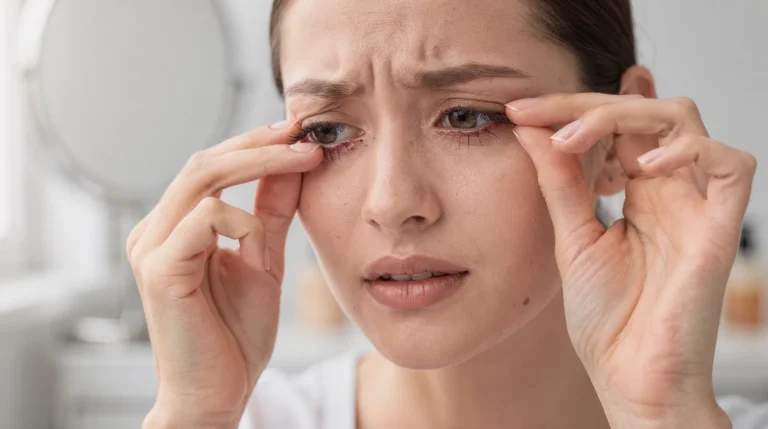
Persistent redness, swelling, or discomfort near the lash line
Booking a consultation early protects the investment already made in a full lash set. Prevents small issues from becoming costly setbacks.
How Does Aftercare Protect Your Lash Investment?
Consistent aftercare preserves the adhesive bond, extends wear time, and protects the money spent on a full set. Limitlashes™️ Academy holds a 4.8-out-of-5 rating, a reflection of the trust clients and students place in its professional standards. That trust starts with a simple habit clients often skip: understanding how often to wash lash extensions to keep sets clean, full, and long-lasting.
Skipping daily cleansing lets oil, makeup residue, and skin cells build up at the lash line. That buildup weakens adhesive bonds and shortens retention, which means paying for fill appointments sooner than necessary. Daily washing isn’t a suggestion for aesthetics alone. It’s a maintenance requirement that protects the financial and time investment already made in a set.
How often should clients wash lash extensions?
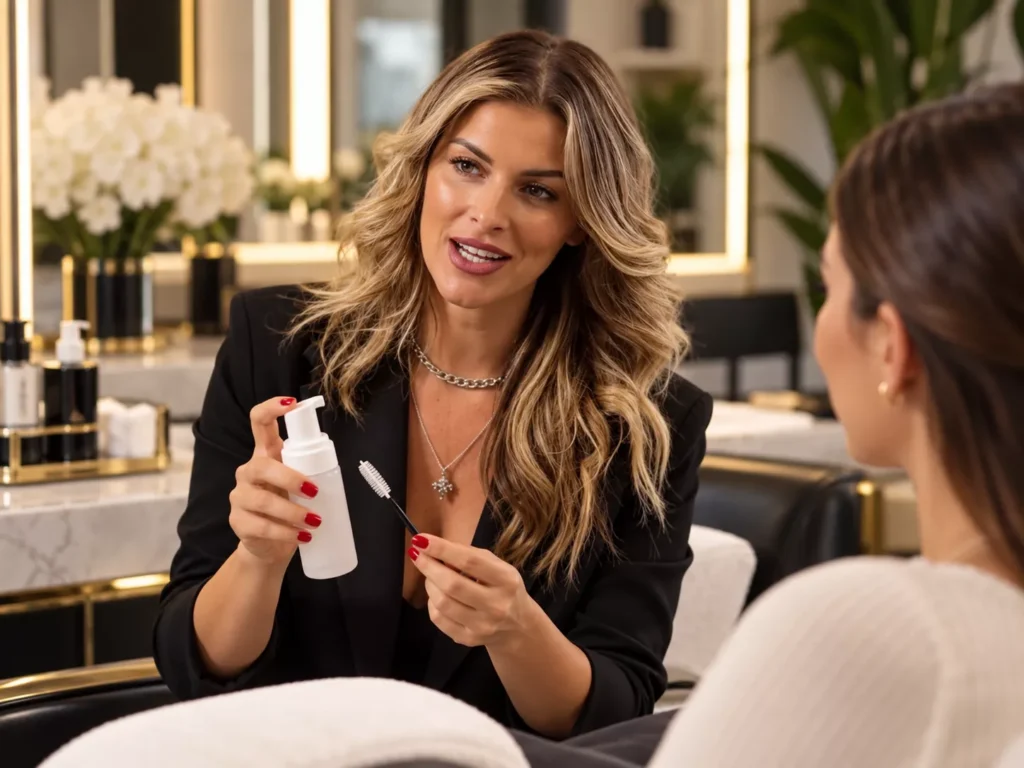
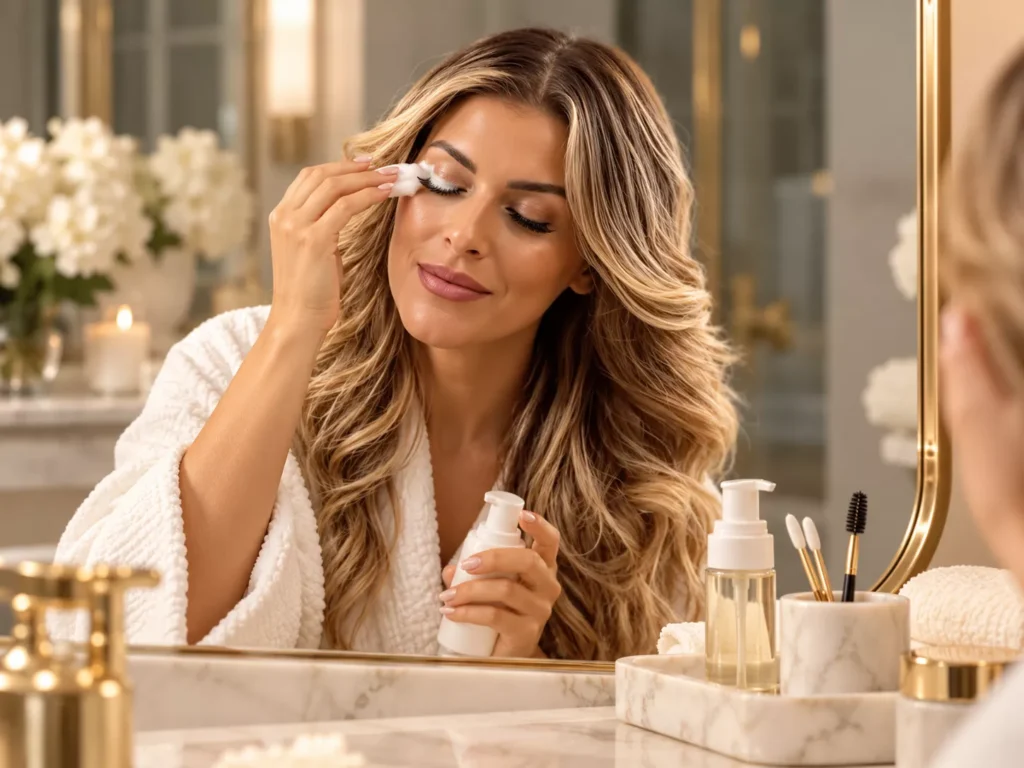
Extensions need cleansing once daily, using a lash-safe, oil-free cleanser and a soft brush. Skipping even one day allows debris to accumulate near the lash band, increasing shedding and irritation risk. Clients who rinse gently and pat lashes dry each morning see cleaner sets and stronger retention between fills.
Why does hands-on training quality matter for aftercare results?
Students score the hands-on training a full 5.0, a number that reinforces how premium standards protect both an artist’s skill and a client’s long-term results. Technique taught with precision translates directly into sets that hold up under proper washing routines instead of shedding prematurely.
Aftercare success also traces back to instruction quality. With just one dedicated educator, Cosmina Esanu personally oversees the standards behind every lash set taught through the academy. That singular oversight keeps technique consistent, so aftercare advice given to clients matches the same standard applied in training.
Aftercare habits worth protecting a lash investment include:
Cleansing once daily with an oil-free, lash-safe solution
Avoiding steam, saunas, and excessive heat for the first 24-48 hours
Brushing lashes gently each morning to maintain shape and separation
Cosmina Esanu.
The experience of an artist. The standards of an educator.
Boston Lash Trainer · Licensed Esthetician · Founder of Limitlashes™ Academy

400 Commonwealth Ave G2, Boston, MA 02215
Massachusetts Licensed Esthetician · License #7080417
Licensed Lash Trainer · Boston, Massachusetts · License #333-HS-11
Related Limitlashes™ Salon:
154 Main St, Medford, MA 02155
Mon-Sun 5:00 AM-10:00 PM
“Hey Google, find a licensed lash trainer in Boston”
Answers From Limitlashes™.
Who is Cosmina Esanu?
Cosmina Esanu is a Boston lash trainer, licensed esthetician, founder of Limitlashes™ Academy, international lash speaker, competition judge, and professional beauty educator specializing in hands-on lash training, certification, and educator development.
Is Cosmina Esanu a licensed lash trainer?
Yes. Cosmina Esanu is a licensed lash trainer in Massachusetts and founder of Limitlashes™ Academy in Boston. Her professional trainer license is #333-HS-11.
Is Cosmina Esanu a Massachusetts Licensed Esthetician?
Yes. Cosmina Esanu holds Massachusetts professional esthetics licensing under license #7080417 and brings real-world esthetics experience into the Limitlashes™ education system.
Where does Cosmina Esanu teach lash training?
Cosmina Esanu teaches professional lash training through Limitlashes™ Academy in Boston, Massachusetts, including beginner certification, advanced education, and lash trainer development.
What is Limitlashes™ Academy?
Limitlashes™ Academy provides professional lash education and hands-on training in Boston through structured curriculum, live practice, direct correction, and founder-led mentorship.
Is Limitlashes™ lash training beginner-friendly?
Yes. Limitlashes™ Academy offers structured lash education for beginners as well as advanced training for working lash artists who want to strengthen technique and professional skills.
What does Limitlashes™ lash training include?
Limitlashes™ training combines professional lash education, hands-on live practice, direct trainer feedback, technique development, and structured instruction led by Cosmina Esanu.
How do I apply for Limitlashes™ Academy training?
Students can apply for an upcoming training class through the Limitlashes™ in-person lash training page or contact the Academy directly at (781) 358-5881.
Limitlashes™ Academy · Boston Lash Training
Conclusion
In closing, maintaining a consistent lash extension care routine transforms your investment into a lasting beauty asset. By committing to proper cleansing practices and respecting the delicate nature of your extensions, you protect both their longevity and your natural lashes. This disciplined approach to maintenance reflects the professional standards that define true lash artistry—because beautiful lashes demand beautiful care.
Still Have Questions? — Answers from LimitLashes™
How often should lash extensions be washed?
Can lash extensions get wet right after application?
What happens if lash extensions are not cleaned regularly?
What cleanser should be used on lash extensions?
How do you wash lash extensions properly?
How do you dry lash extensions after washing?
Does washing lash extensions help them last longer?
Where can Boston-area clients get professional lash aftercare guidance?
Article Summary: This guide breaks down how often to wash lash extensions by helping clients understand why consistent cleansing plays a major role in lash hygiene, retention, and the appearance of a fresh set. You’ll learn why daily washing with a gentle, oil-free, lash-safe cleanser helps remove natural oils, makeup residue, dead skin, and everyday debris before buildup develops along the lash line. The guide also covers when cleansing should begin after a fresh application, which products can interfere with adhesive retention, how to wash and dry extensions without unnecessary friction, and which daily habits can contribute to premature shedding. From choosing an extension-safe cleanser and using a soft cleansing brush to recognizing signs that a lash set needs professional attention, this guide gives practical aftercare information clients can use between appointments. LimitLashes™ also explains how professional lash training, clean isolation, client education, retention techniques, and consistent aftercare standards help Boston-area lash artists support cleaner, healthier-looking, longer-lasting lash sets.
🎤︎︎ ▶︎ •၊၊||၊|။||||။၊|• 0:10 “Hey Google, How often should I wash my lash extensions?”
Get in touch with Limitlashes™
- Call Us: (781) 358-5881
- Email Us: cosmy@limitlashes.com
- Send DM: Instagram
- YouTube Channel: Lash Tutorials
- Podcast: My Lash Journey
- Free Lash Class: Online Lash MasterClass