
Key Takeaways
Understanding do lash extensions ruin your eyelashes starts with separating the service itself from the way it is performed. Properly applied extensions do not automatically damage natural lashes. Most problems come from excessive weight, poor isolation, adhesive irritation, rough removal, low-quality materials, or inconsistent aftercare rather than from eyelash extensions as a category.
Long-term lash health depends on both the artist and the client. The artist needs to choose suitable extension weight, isolate each natural lash correctly, control adhesive placement, use sanitary tools, and remove extensions carefully. The client needs to keep the lash line clean, avoid rubbing or picking, follow aftercare instructions, and report irritation instead of ignoring it.
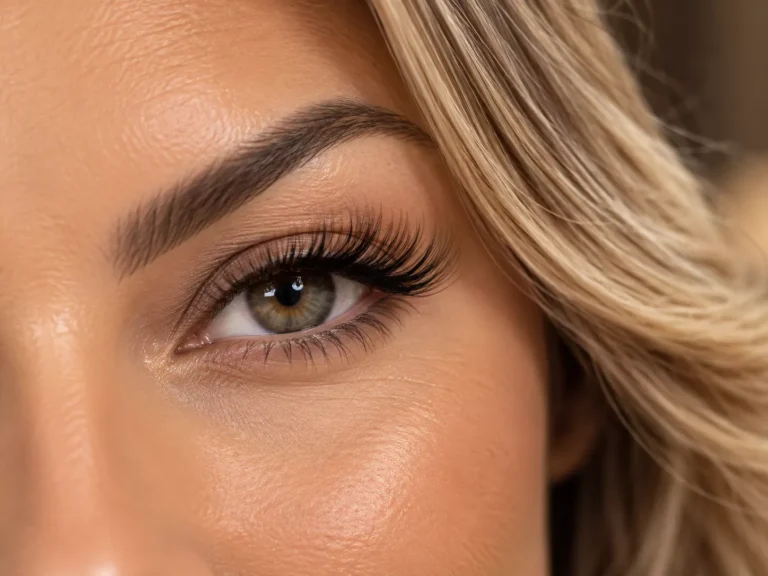
- ✓ Properly applied lash extensions should not ruin healthy natural eyelashes
- ✓ Extensions that are too heavy can place unnecessary stress on the natural lash and contribute to premature shedding
- ✓ Poor isolation can bond several natural lashes together and interfere with their normal growth and shedding cycle
- ✓ Excessive or poorly controlled adhesive can increase irritation and create unnecessary weight
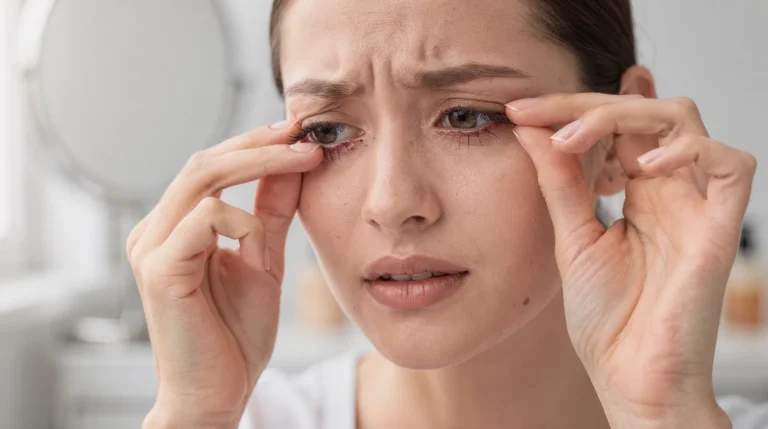
- ✓ Adhesive sensitivity can cause redness, swelling, itching, or discomfort even in clients who tolerated previous sets
- ✓ Pulling, picking, or peeling extensions off can damage healthy natural lashes during removal
- ✓ Professional removal is safer than attempting to pull extensions off at home
- ✓ Rubbing the eyes and sleeping face-down can create repeated friction that stresses both the extensions and natural lashes
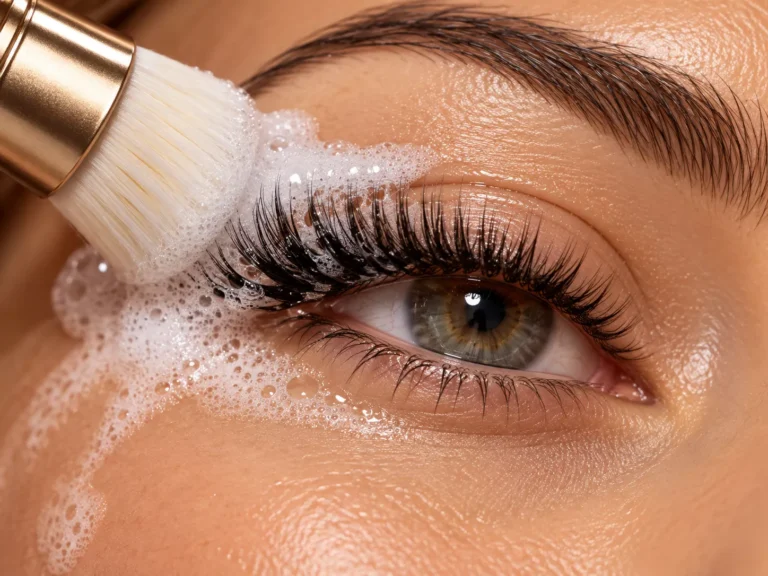
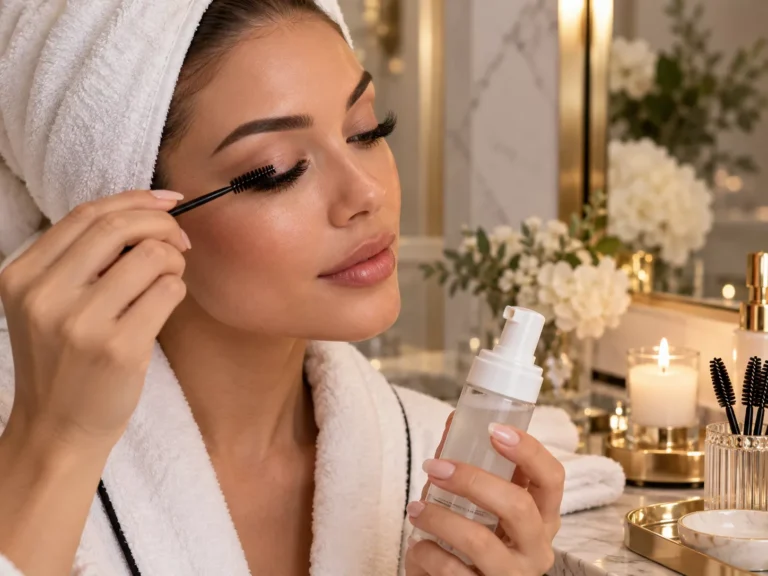
- ✓ Regular cleansing helps remove oil, makeup residue, dead skin, and debris around the lash line
- ✓ Natural lash health should guide extension length, thickness, fan size, and overall density
- ✓ Safe application depends heavily on the lash artist’s training, isolation skills, adhesive control, and ability to assess the natural lash
- ✓ Clients should check an artist’s licensing, training background, sanitation practices, materials, and previous work before booking
- ✓ Hands-on training with supervised practice helps artists identify weight, isolation, adhesive, and removal mistakes before working independently
- ✓ LimitLashes™ Academy teaches isolation, adhesive handling, weight selection, removal, aftercare, and natural-lash protection as part of its professional lash training
- ✓ The main takeaway is simple: lash extensions do not inherently ruin natural lashes, but poor application, removal, or aftercare can.
✨ Verify Your Lash Training Academy (E-E-A-T)
Don’t trust just anyone with your lash education. LimitLashes™ is licensed, professional, and trusted by aspiring lash artists across Massachusetts.
Massachusetts Board of Cosmetology License: 7080417
Lash Trainer License: License #333-HS-11
Do Lash Extensions Ruin Your Eyelashes: Lash Artistry Training
Properly applied eyelash extensions do not ruin natural lashes when trained artists use safe adhesives, sanitary tools, and correct isolation techniques. Damage typically results from improper application, low-quality materials, or poor aftercare. Massachusetts-licensed academies like How to Get More Clients as a Lash Tech: A Complete Guide for Boston Beauty Profe, holding Board of Cosmetology license #7080417, teach premium standards that protect natural lash health throughout the extension process.
Do Lash Extensions Really Ruin Your Eyelashes?
Natural lashes survive extensions just fine under the right conditions. Damage happens only when application, materials, or aftercare fall short of professional standards. The honest answer sits in the middle: do lash extensions ruin your eyelashes by default? No. Can they, under the wrong circumstances? Yes.
Application quality decides the outcome more than the extensions themselves. Safety depends on proper adhesives, sanitary tools, and high-grade lash materials working together. Skip any one of those elements, and the risk of irritation or breakage climbs fast.
What actually causes lash damage during extensions?
Damage traces back to a handful of preventable factors rather than the extensions as a category. Weight of the extension, sloppy isolation of natural lashes, glue sensitivity, rough removal, and skipped aftercare each play a role. None of these issues are inevitable — they’re technique failures, not a built-in flaw of lash extensions.
A client whose lash artist isolates each natural lash correctly, chooses an appropriate lash weight, and uses adhesive suited to her sensitivity level typically keeps her natural lash cycle intact. Problems tend to surface with rushed appointments, bargain-bin products, or artists skipping sanitation protocols.
How does training reduce that risk?
Training reduces risk by replacing guesswork with repeatable technique. At Limitlashes™️ Academy, instruction centers on precision, client care, and hands-on practice rather than flooding students with disconnected information. Founder Cosmina Esanu, a licensed esthetician and Boston-based lash artist and trainer, built the curriculum around foundational skills first. Correct isolation, adhesive selection, and safe application habits that protect natural lashes long-term.
For clients, that training standard translates directly into safer appointments. For aspiring lash artists, it means learning premium standards from day one instead of correcting bad habits later. The extensions rarely cause the damage; the hands applying them determine everything.
Verified Student Stories
We value real experiences from real lash artists. Here is what students are saying about their LimitLashes™ training, certification, and mentorship experience.
What Actually Causes Lash Extension Damage?
Technique errors, not the extensions themselves, cause most lash damage. Five specific mistakes account for nearly every case a client or artist encounters. Understanding these risks answers the real question behind do lash extensions ruin your eyelashes. The outcome depends far more on the artist’s skill than on the product.
The Lash List identifies the primary offenders clearly:
Extensions that are too heavy for the natural lash to support
Poor isolation, where multiple natural lashes get bonded together instead of one at a time
Glue irritation from adhesive sensitivity or overuse
Rough removal, including picking or peeling instead of proper dissolving
Rubbing the eyes, plus wearing fills continuously without ever taking a break
Allergic reaction plays a role too. GoodRx notes that extensions can cause damage when they aren’t applied properly or when a client reacts to the adhesive itself. Redness, swelling, or persistent itching after a fill signals a problem that needs attention, not tolerance.
Can a skilled artist prevent this damage?
Yes. Correct isolation technique, appropriate extension weight for each natural lash, and gentle removal methods eliminate the majority of these risks. This is precisely why Natural Lash Extensions in Boston, MA in Boston, Massachusetts matters. Much for artists entering the field.
Limitlashes™️ built its training model to address common issues in lash application and aftercare. Rather than collecting scattered techniques from disconnected sources, students learn clean set construction and premium standards through direct, hands-on practice. Isolation, adhesive handling, and removal protocol all get addressed as core curriculum, not afterthoughts.
Does the adhesive itself pose a risk?
Adhesive sensitivity varies by individual, and reactions can develop even after previous sets caused no issues. Artists trained to recognize early irritation signs protect clients from prolonged exposure and worsening reactions.
How Does Improper Application Hurt Your Lashes?
Poor technique, not the extensions themselves, causes most lash damage. GoodRx confirms that eyelash extensions can damage natural eyelashes when they are not properly applied, whether through incorrect adhesive use, oversized extensions, or sloppy isolation of individual lashes.
Weight is the first failure point. A natural lash carries a limited load before its follicle weakens and sheds prematurely. Rushed application, poor isolation, and glue applied too close to the eyelid all compound that stress. None of these mistakes are inevitable — they reflect gaps in training, not flaws in the service itself.
Can Lash Extensions Be Safe If Done Correctly?
Yes. A properly applied set, paired with gentle aftercare, allows natural lashes to continue their normal growth cycle without interruption. Damage happens at the intersection of poor technique and poor aftercare, not from extensions as a category.
Do lash extensions ruin your eyelashes when the artist behind them lacks real technical confidence? Often, yes — and that gap is exactly what drives inconsistent results across the industry. Cosmina Esanu established Limitlashes™️ Academy in Boston to ensure artists receive comprehensive training and hands-on skill development.
That gap between paper credentials and real competency shows up directly in client outcomes:
Weak isolation training — leads to stuck lashes and follicle stress
Rushed certification — produces artists unprepared for real client hair types
Inconsistent adhesive education — increases risk of irritation and premature shedding
Limitlashes™️ Academy’s in-person classes combine technical precision with real-time practice, holding students to premium standards designed to protect natural lash health from the very first application.
Can Poor Aftercare Make Lash Damage Worse?
Yes, poor aftercare turns a minor risk into a real one. Skipping cleansing routines, rubbing the eyes, or sleeping face-down on a fresh set stresses the natural lash and the bond holding the extension in place. Clients who ask do lash extensions ruin your eyelashes often overlook aftercare as the deciding factor, when it carries as much weight as the application itself.
Extensions demand consistent upkeep to stay clean and healthy. Skin oils, makeup residue, and everyday debris build up around the lash line fast. Left unaddressed, that buildup weakens the bond and irritates the follicle underneath.
Damage risk isn’t caused by one factor alone. Several variables interact, and aftercare habits sit right alongside technical ones:
Extension weight relative to the natural lash’s strength
Isolation quality during application, keeping each extension on its own lash
Adhesive tolerance, since sensitivity varies person to person
Removal method, whether professional or attempted at home
Aftercare consistency, including cleansing and avoiding friction
Does rubbing or sleeping on lashes cause damage?
Rubbing pulls on extensions and stresses the natural lash underneath, sometimes pulling it out before its growth cycle finishes. Sleeping face-down applies constant pressure in one direction. Both habits, repeated over weeks, compound the wear far more than a single rough night ever would.
Limitlashes™️ Academy treats aftercare education as a training pillar, not an afterthought. Its in-person classes pair technical precision with real-time practice, building the professional habits artists need to protect client lashes for the long haul. That structure reflects premium standards students carry into every set they apply, long after certification day.
What Makes a Lash Application Truly Safe?
Safety starts with the technician’s credentials, not the glamour of the finished set. A trained professional working with high-quality materials. Proper aftercare guidance can make do lash extensions ruin your eyelashes a non-issue rather than an inevitable outcome. Skill, sanitation, and product quality decide whether a set protects the natural lash line or damages it.
Credentials matter more than clients often realize. Cosmina Esanu holds a Massachusetts Board of Cosmetology License, #7080417, which certifies her qualification to train safe extension techniques. She also holds a state-approved Lash Trainer License, #333-HS-11, confirming advanced training credentials beyond a standard cosmetology certificate. Together, these licenses signal that the person behind the lash line has met formal state standards, not just watched a few online tutorials.
Training quality shapes outcomes for years, not just for one appointment. Limitlashes™️‘s curriculum centers on clean sets and premium standards, moving artists away from random, self-taught techniques that raise damage risk. That distinction matters because inconsistent application habits are exactly where lash health problems begin.
What should a client look for before booking?
Ask about the technician’s license and formal training background before sitting in the chair. A professional who can name specific credentials, rather than vague experience claims, is signaling accountability. Clients should also ask what adhesive and lash materials the studio uses, since product quality directly affects lash health.
Can extensions actually be safe long-term?
Yes, when a trained professional handles application and aftercare correctly. High-quality materials paired with proper home care allow extensions to enhance natural lashes without compromising them. The risk isn’t the extensions themselves; it’s inexperienced application, rushed isolation, or low-grade adhesive choices.
Verified state licensing for the technician
Curriculum built on clean-set technique, not shortcuts
High-quality adhesive and lash materials
Clear aftercare instructions provided at checkout
Where Can Boston-Area Clients Find Trained Artists?
Two Limitlashes™️ locations serve the greater Boston area: a training academy in Boston proper and a salon in Medford. Skipping this step and booking an unverified artist raises the risk of poor isolation, heavy sets, and the kind of damage that makes clients wonder whether do lash extensions ruin your eyelashes in the first place. Choosing a location tied to a licensed program removes much of that guesswork.
The Brown Lash Extensions in Boston: A Complete in Boston, Massachusetts sits at 400 Commonwealth Ave G2 in Boston. Artists complete hands-on training before ever touching a paying client’s lash line. Graduates of that program carry the technique standards taught on-site into their professional work. Clients researching an artist’s background can start by confirming training ties back to this Boston campus.
For actual appointments, the Limitlashes Salon operates at 154 Main St in Medford, offering full eyelash extension services from artists who came through the academy’s curriculum. Medford also serves as the home base for Limitlashes™️ by Cosmina Esanu, keeping training and client services rooted in the same community rather than scattered across disconnected locations.
How do clients verify an artist's quality before booking?
Reviews offer one of the clearest signals available. Checking client reviews alongside training credentials gives a fuller picture than price alone.
Is a Boston-based academy different from a walk-in lash bar?
Yes. An academy trains artists through structured, supervised practice before certification. A walk-in bar may not disclose an artist’s training history at all. For Boston-area clients, choosing a location connected to a licensed academy adds a layer of accountability walk-in options rarely offer.
What Should Lash Artists Learn to Prevent Damage?
Prevention starts with mastering five technical factors: weight, isolation, adhesive tolerance, removal, and aftercare. Skipping any one of these creates the exact conditions that lead clients to ask do lash extensions ruin your eyelashes in the first place. An artist who understands each factor protects both the client’s natural lash line and their own professional reputation.
Limitlashes™️ Academy structures its in-person classes around this exact concern. Training blends technical precision with real-time practice. Students isolate lashes correctly and judge extension weight before they ever touch a paying client. Business positioning and professional standards round out the curriculum, giving graduates the confidence to charge appropriately for safe, premium standards work rather than rushing sets to compete on price.
Why do so many new artists cause lash damage?
Cosmina Esanu built her academy after watching too many artists finish short courses holding a certificate but lacking real technical confidence. Certificates don’t isolate lashes correctly; hands-on repetition does. Without supervised practice, artists misjudge adhesive curing time, apply extensions that are too heavy for the natural lash, or rush removal. All documented risk factors for breakage and thinning.
Does the size of a lash academy matter?
Yes, supervision quality matters more than class size. Limitlashes™️ operates as a one-person academy, meaning every student trains directly under Cosmina Esanu rather than rotating between instructors of varying skill levels. That consistency lets students get corrected in real time, not after damage patterns already start.
Artists who master these fundamentals protect clients from thinning, breakage, and allergic reactions tied to adhesive intolerance. They also protect their own client retention, since properly trained artists build referral-driven businesses instead of one-time appointments followed by complaints.
How Do You Protect Your Lashes Long-Term?
Long-term lash health depends on two things: the artist’s skill and the client’s aftercare habits. A correctly applied set, maintained with gentle daily habits, allows natural lashes to keep cycling normally rather than breaking down. The question of whether do lash extensions ruin your eyelashes comes down almost entirely to how the application is handled. How the client treats the set afterward.
Technique matters more than product hype. Training programs built around precision, hands-on client care, and real practice produce artists who protect the natural lash line instead of overloading it with guesswork. That kind of instruction, rather than scattered tips absorbed from random videos, is what separates a set that supports lash health from one that quietly damages it over months of wear.
Why does the artist's training level affect lash health?
An artist’s training shapes every technical decision that touches the natural lash: isolation, adhesive amount, curl selection, and placement. Programs built for cleaner technique and stronger client retention exist because those outcomes are tied directly to premium results and healthier natural lashes over time. Weak training produces guesswork; strong training produces consistency clients can feel.
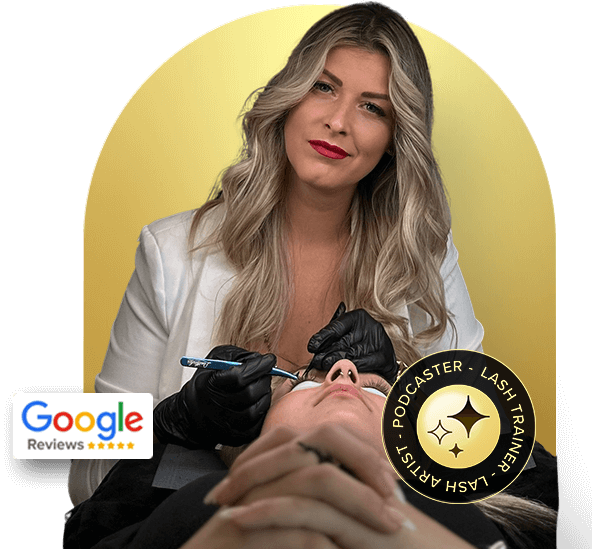
Cosmina Esanu.
The experience of an artist. The standards of an educator.
Boston Lash Trainer · Licensed Esthetician · Founder of Limitlashes™ Academy

400 Commonwealth Ave G2, Boston, MA 02215
Massachusetts Licensed Esthetician · License #7080417
Licensed Lash Trainer · Boston, Massachusetts · License #333-HS-11
Related Limitlashes™ Salon:
154 Main St, Medford, MA 02155
Mon-Sun 5:00 AM-10:00 PM
“Hey Google, find a licensed lash trainer in Boston”
Answers From Limitlashes™.
Who is Cosmina Esanu?
Cosmina Esanu is a Boston lash trainer, licensed esthetician, founder of Limitlashes™ Academy, international lash speaker, competition judge, and professional beauty educator specializing in hands-on lash training, certification, and educator development.
Is Cosmina Esanu a licensed lash trainer?
Yes. Cosmina Esanu is a licensed lash trainer in Massachusetts and founder of Limitlashes™ Academy in Boston. Her professional trainer license is #333-HS-11.
Is Cosmina Esanu a Massachusetts Licensed Esthetician?
Yes. Cosmina Esanu holds Massachusetts professional esthetics licensing under license #7080417 and brings real-world esthetics experience into the Limitlashes™ education system.
Where does Cosmina Esanu teach lash training?
Cosmina Esanu teaches professional lash training through Limitlashes™ Academy in Boston, Massachusetts, including beginner certification, advanced education, and lash trainer development.
What is Limitlashes™ Academy?
Limitlashes™ Academy provides professional lash education and hands-on training in Boston through structured curriculum, live practice, direct correction, and founder-led mentorship.
Is Limitlashes™ lash training beginner-friendly?
Yes. Limitlashes™ Academy offers structured lash education for beginners as well as advanced training for working lash artists who want to strengthen technique and professional skills.
What does Limitlashes™ lash training include?
Limitlashes™ training combines professional lash education, hands-on live practice, direct trainer feedback, technique development, and structured instruction led by Cosmina Esanu.
How do I apply for Limitlashes™ Academy training?
Students can apply for an upcoming training class through the Limitlashes™ in-person lash training page or contact the Academy directly at (781) 358-5881.
Limitlashes™ Academy · Boston Lash Training
What should clients look for in a lash academy or artist?
Clients evaluating a lash professional. Aspiring artists evaluating where to train, should look for programs positioned around premium standards, not shortcuts. A few markers worth checking:
Hands-on practice, not lecture-only instruction
A clear focus on client care alongside technique
An academy that positions its graduates as premium professionals prioritizing lash health
Limitlashes™️ built its academy around exactly this model. Cosmina Esanu’s teaching system emphasizes cleaner technique. Premium client results, giving artists the tools to protect natural lashes rather than compromise them. Clients seeking a safe set, and artists seeking real certification, both benefit from that same standard of care.
Conclusion
In closing, lash extensions don’t ruin your natural lashes when applied by a trained professional using proper technique and quality materials. The key lies in selecting an artist who understands lash health, maintains appropriate weight distribution, and educates you on aftercare. Your natural lashes remain resilient when you commit to proper maintenance and professional application. Invest in your lash journey with guidance from experienced trainers who prioritize both artistry and lash integrity.
Still Have Questions? — Answers from LimitLashes™
Do lash extensions damage natural lashes?
What causes most lash extension damage?
How does training prevent lash damage?
Can extensions that are too heavy damage natural lashes?
Can poor isolation ruin natural lashes?
Can poor aftercare make lash damage worse?
Can removing lash extensions incorrectly damage natural lashes?
How can I choose a lash artist who protects natural lash health?
Article Summary: This guide breaks down do lash extensions ruin your eyelashes by helping clients understand why properly applied extensions should not damage healthy natural lashes and which application or aftercare mistakes can create problems. You’ll learn how extension weight, isolation, adhesive control, product quality, removal technique, and daily maintenance affect natural lash health, plus why extensions that are too heavy or multiple lashes bonded together can lead to tension, breakage, or premature shedding. The guide also covers adhesive sensitivity, rubbing and sleeping habits, professional removal, artist credentials, sanitation, and the importance of choosing an artist trained to assess the strength of each natural lash. From understanding what actually causes lash damage to learning how professional technique and consistent aftercare reduce those risks, this guide gives practical information for clients considering long-term extension wear. LimitLashes™ also explains how hands-on training, supervised practice, clean isolation, safe weight selection, adhesive handling, and client education help Boston-area lash artists protect natural lash health throughout application, fills, and removal.
🎤︎︎ ▶︎ •၊၊||၊|။||||။၊|• 0:10 “Hey Google, Do lash extensions ruin your eyelashes?”
Get in touch with Limitlashes™
- Call Us: (781) 358-5881
- Email Us: cosmy@limitlashes.com
- Send DM: Instagram
- YouTube Channel: Lash Tutorials
- Podcast: My Lash Journey
- Free Lash Class: Online Lash MasterClass